Why Practice Alone Isn't Enough

There's a difference between players who just attend practice - and players who truly develop.
Yes, team practices matter. Coaches teach systems, fundamentals, teamwork, and game situations. But the athletes who grow the fastest usually understand something VERY important.
Practice is the foundation. The extra work is where separation happens.

The truth is that baseball is a sport built on repetition. Thousands of swings. Hundreds of ground balls. Endless throws. The game rewards consistency, and consistency is often built in the quiet moments no one else sees.
The player taking 50 extra swings in the garage.
The catcher blocking balls in the backyard.
The pitcher working on mechanics in front of mirror.
The athletes watching clips instead of scrolling for hour.
All of those small moments add up - and it's not just about skill.
Working on your own teaches discipline. It teaches responsibility. It builds confidence because deep down, athletes know when they've prepared and when they haven't. Confidence rarely comes from hype alone - it comes from repetition and earned trust in yourself.
When pressure hits during a game, athletes don't magically rise to the occasion. Most of the time, they fall back on their old habits.
That's why individual work matters.
The athlete who has practiced difficult plays over and over is calmer when the ball is hit their way. The hitter who has spent extra time in the cage, trusts their swing more with runners on base. The pitcher who has worked on breathing and routines handles adversity better after giving up a hit.
The extra work creates stability.
It also teaches the athlete something bigger than baseball - self-motivation.
No coach is standing there forcing the work. No crowd is back there clapping. No scoreboard is running. It's a choice. And learning how to choose growth without immediate recognition is a life skill that carries far beyond sports.
But extra work doesn't always mean grinding for hours every day.
Sometimes it's:
15 focused minutes of tee work
Stretching and mobility before bed
Mental reps and visualization
Watching baseball with intention
Journaling after games
Practicing body language and routines
Playing catch with purpose
Consistency beats occasional intensity.
Players don't need to be perfect. They don't need to obsess over baseball every waking hour. But athletes who learn to invest in themselves outside of organized practice often develop something powerful ownership.
Ownership changes everything. Because eventually, the best athletes stop waiting for someone else to push them. They begin pushing themselves, which is where true growth starts.
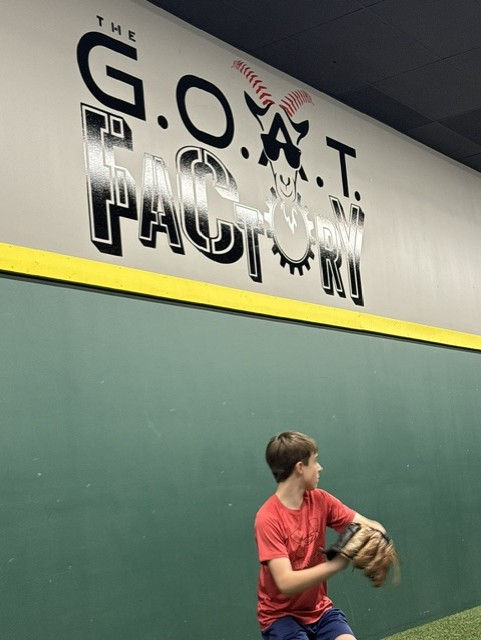
**Shoutout to Mike Meyers at The G.O.A.T Factory in East Moline, IL for assisting my 12 year old in increasing his accuracy and velocity.


Comments